Kakamega Polytechnic, Western Kenya
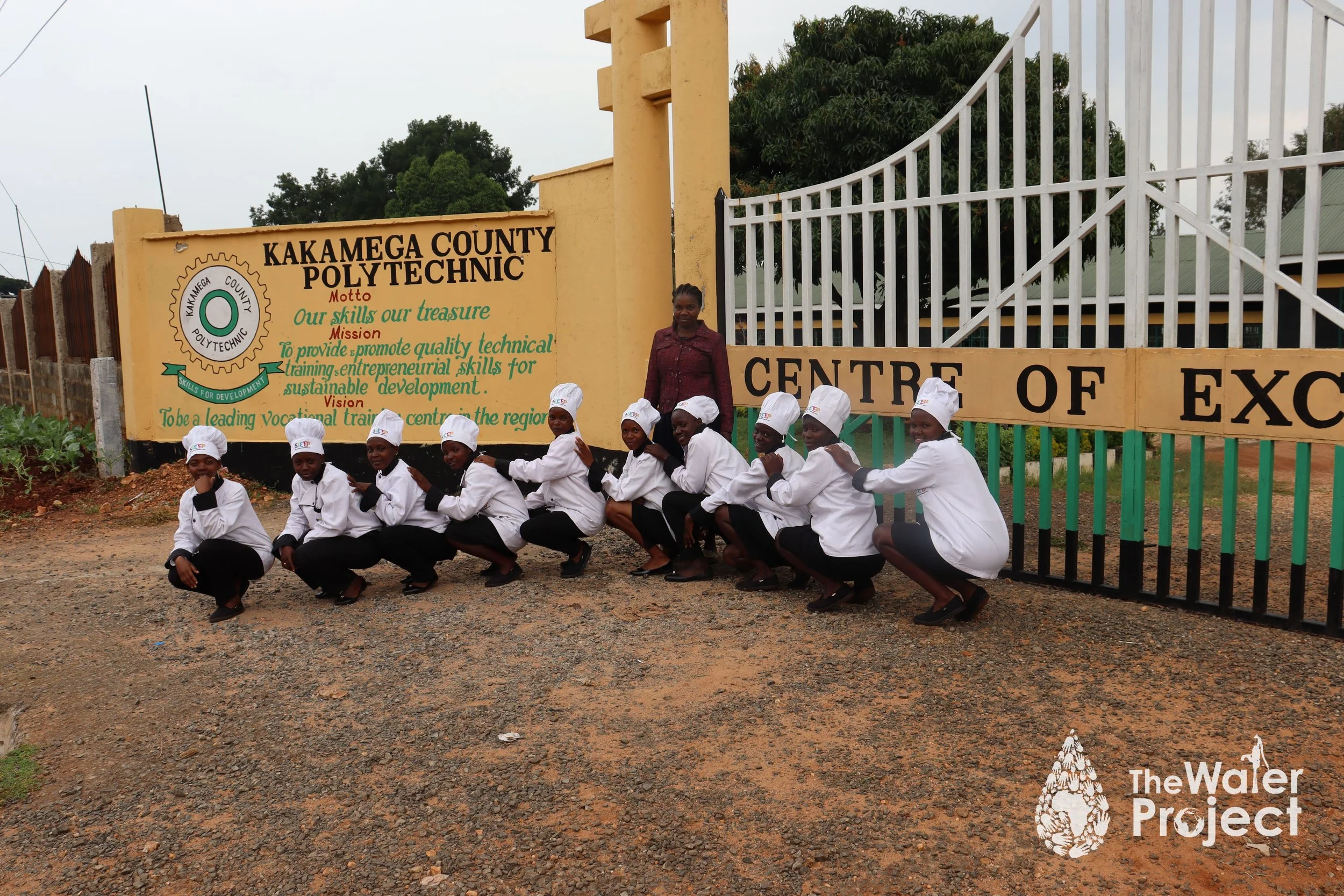
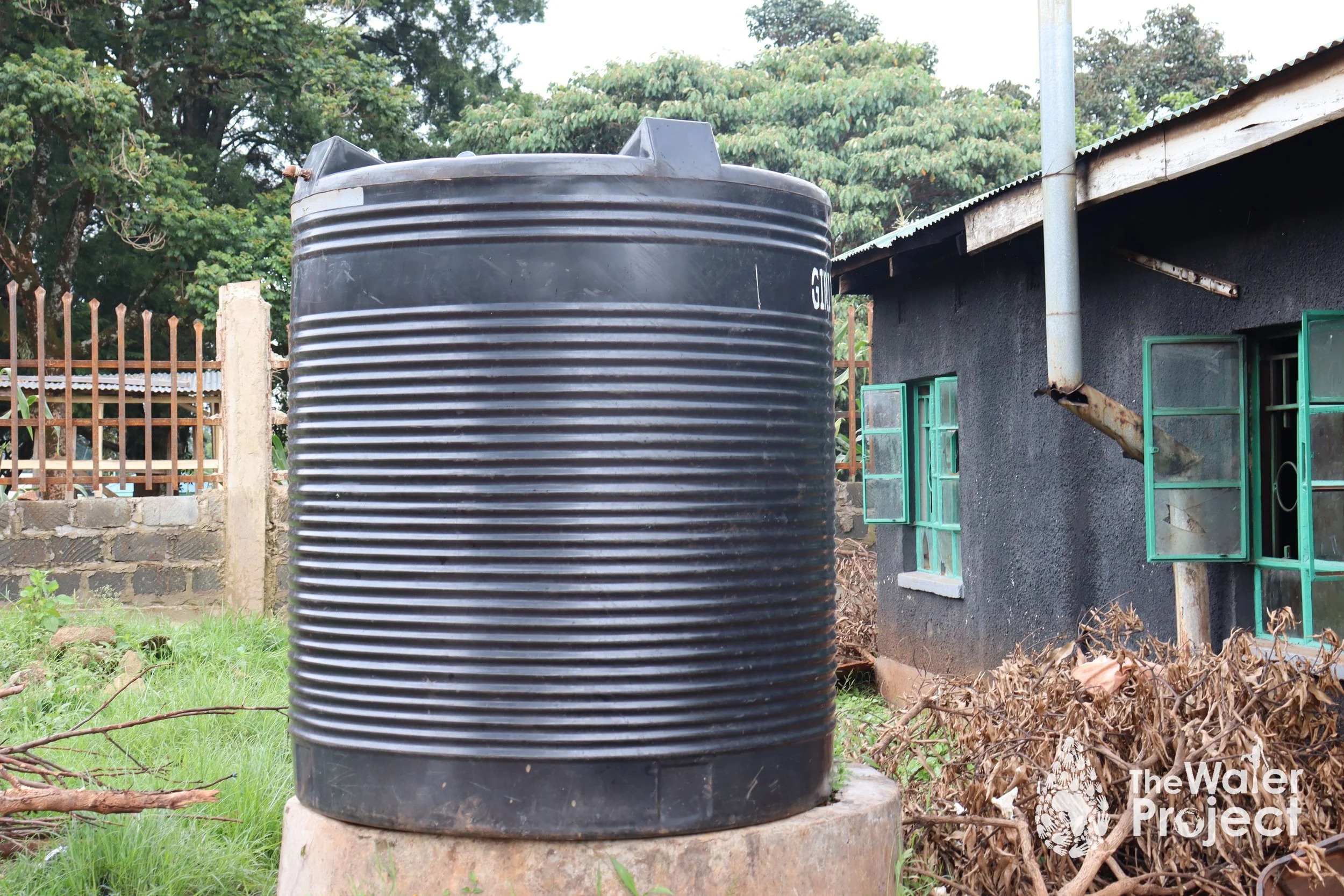
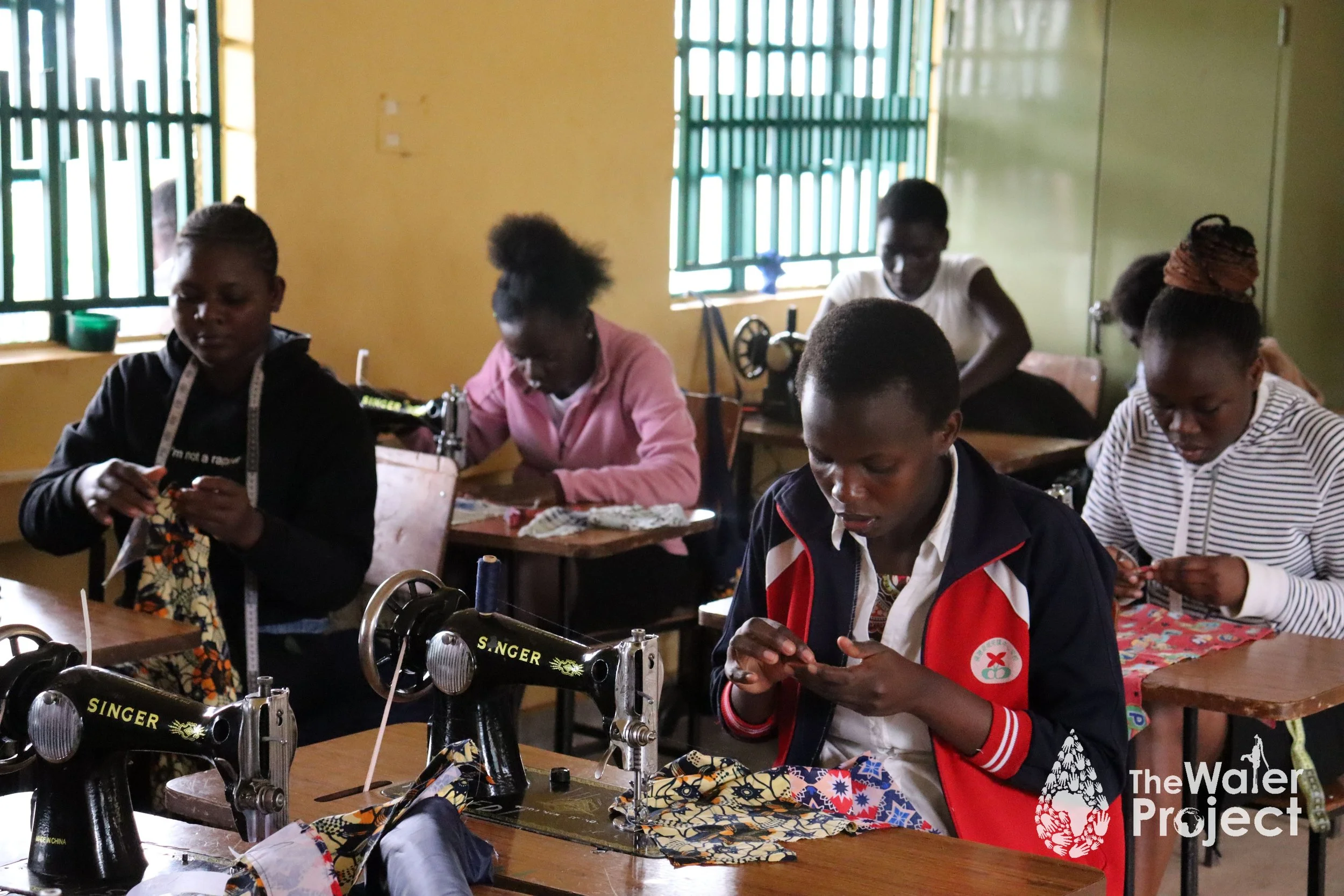
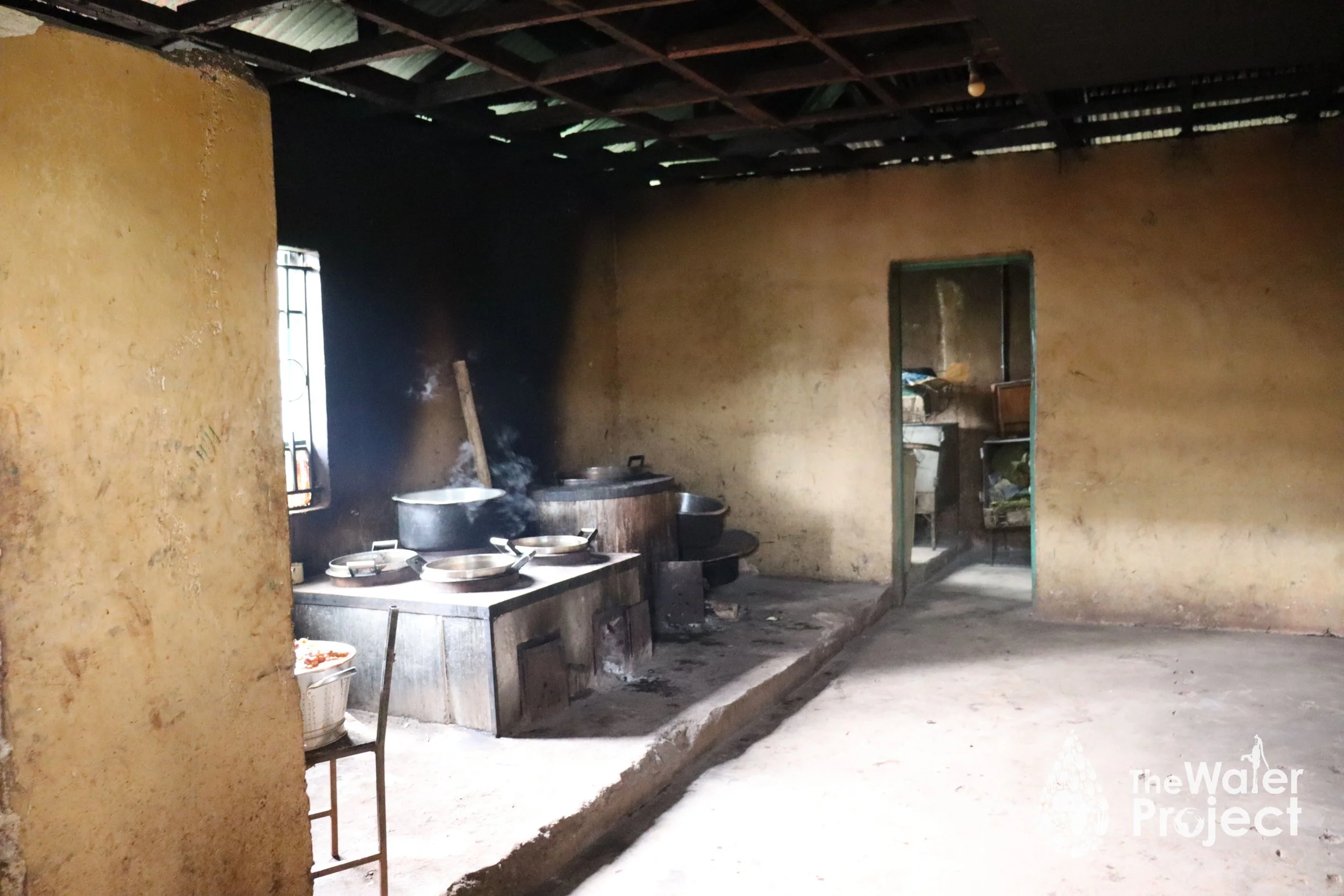
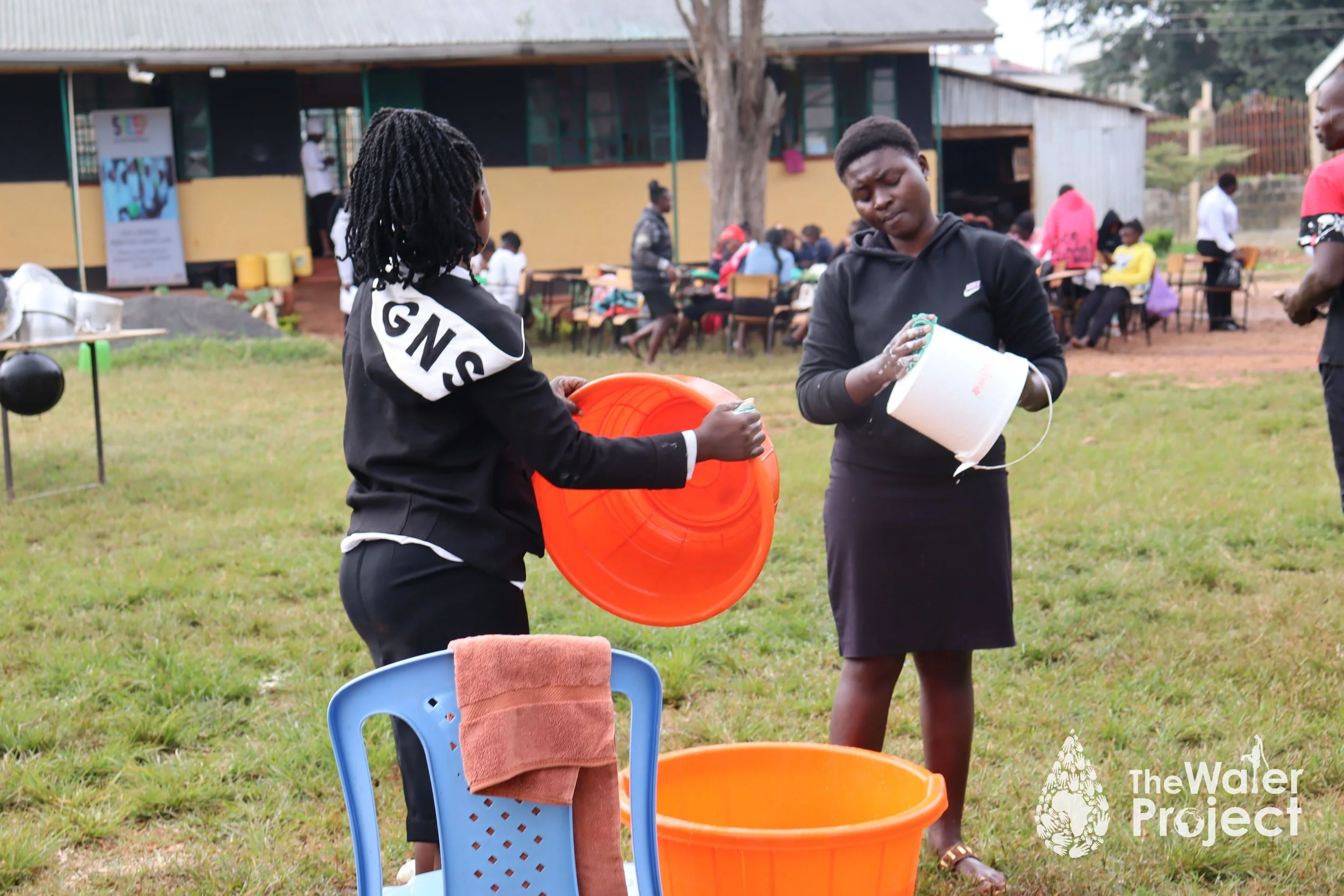
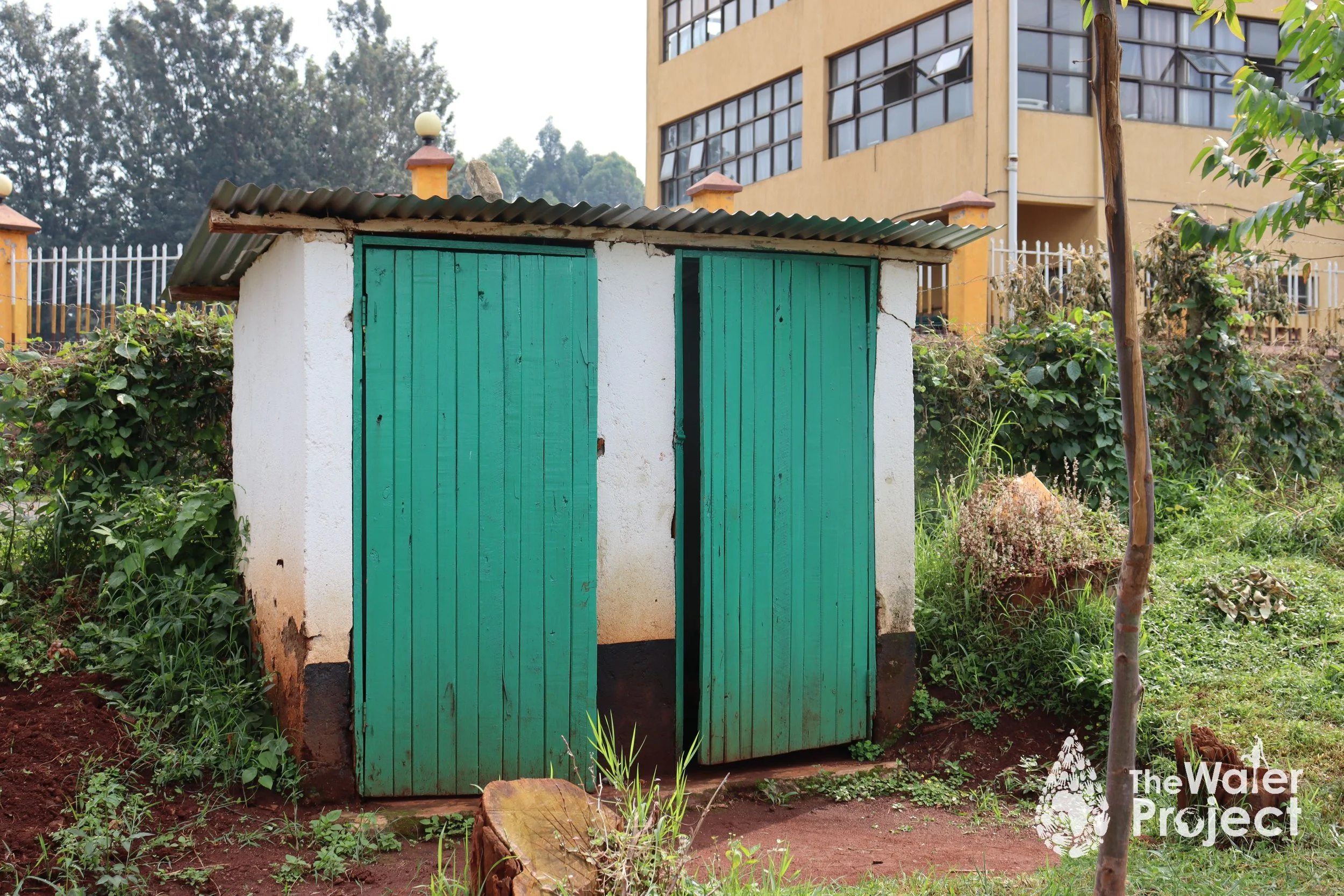
At Kakamega Polytechnic, 749 students and 22 staff members struggle daily without reliable water. The school’s rain tanks only help during the rainy season, while piped water is prohibitively expensive. Students must ration what little water is available—often wasting precious hours standing in line. Hours that should be spent in the classroom, building their futures.
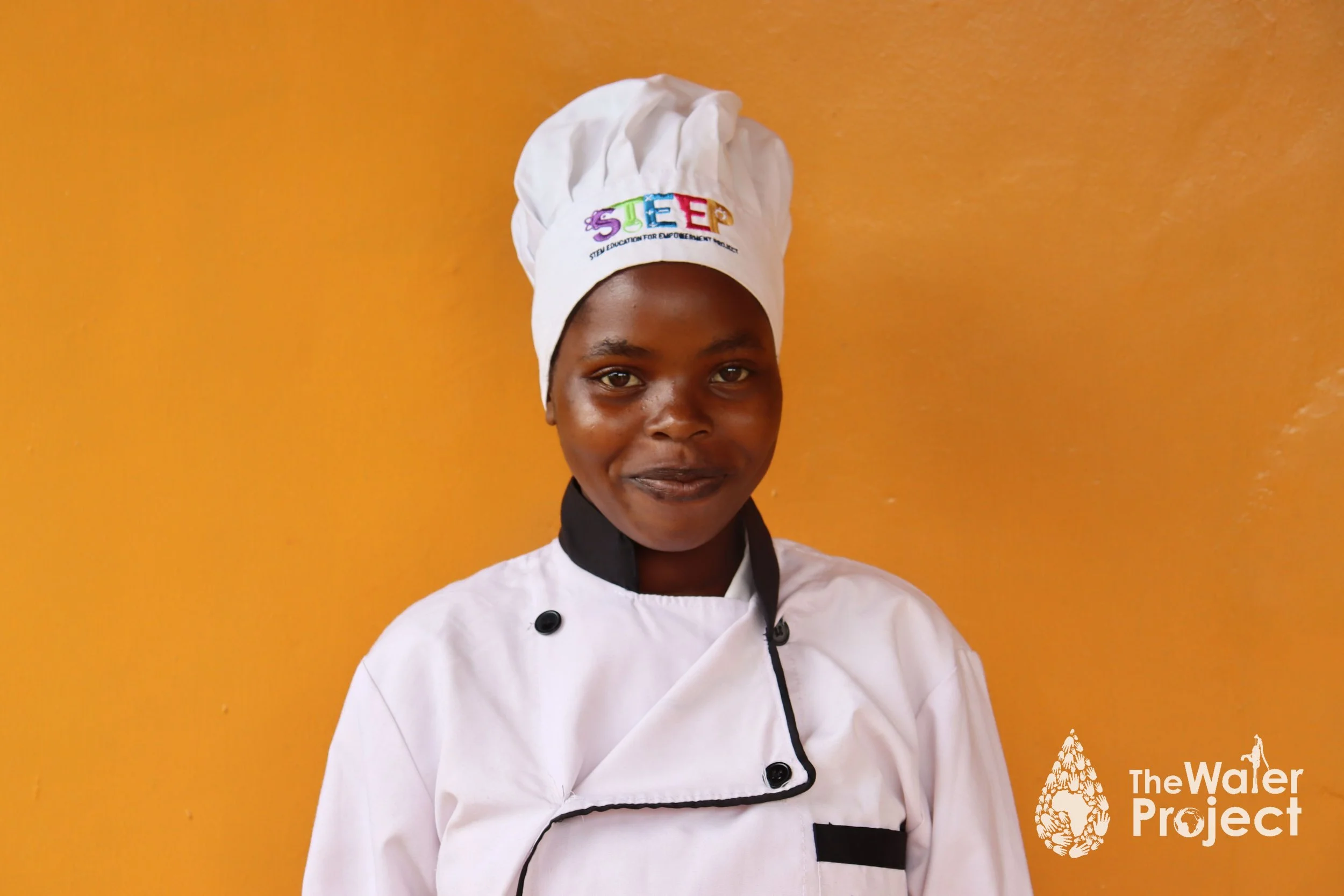
Valerian, a 16-year-old student, dreams of becoming a head chef. But without consistent access to water, her education and future are at risk.
"...the water we have in school is tapped…. if the water is being pumped or from a truck vendor, we have to wait for it to be filled… the rainwater is freely available when it is [the] rainy season, but most of the time, it is the [only] source we have around the school; the school rations it and controls how it should be used, and that is frustrating," Valerian shared.
The school’s rationing ensures survival but forces painful sacrifices. Students fall behind, teachers struggle to meet curriculum demands, and futures slip further out of reach.
"I'm in food design, and you get times [where] the water is not enough for us to use. We have to use it to cook, and after which we wash our utensils, so we have to wait for the water," Valerian lamented.
So much crucial learning time is lost daily.
Installing a borehole well on the school's campus will ensure they have flowing water, all year round, without having to pay for it. This will allow Valerian and her classmates to chase their dreams.
Schools without reliable, on-premises water access often rely on students to fetch and carry water, leading to rationing and uncertainty about water quality. The water is typically poured into a communal storage tank and used by the entire school. With children carrying water from all different sources, it is also impossible for teachers and staff to know exactly where the water comes from and how safe it is to drink.
A new water point will be located on-premises at the school to ensure accessibility, reliability, and safety for students, teachers, and staff while meeting our school coverage goals. Having water available at the school allows children to drink, wash hands, and use sanitation facilities without leaving school grounds, preventing disruptions to lessons and reducing safety risks. A dedicated source increases water availability, reduces reliance on stored water, minimizes rationing, and ensures confidence in the safety of the water. This means staff and students are healthier, and their lessons aren’t disrupted, contributing to a better education.
The Solution
Technical experts worked with the school leadership and local community to identify the most effective solution to their water crisis. They decided to drill a borehole well, construct a platform for the well, and attach a hand pump.
Alongside the water source, two gravity-fed handwashing stations and two Ventilated Improved Pit (VIP) latrine blocks will be constructed, for safer hygiene and prevention of disease transmission.
With your support, we can keep Valerian and her classmates safe, healthy, and in school learning.